
When to Call Professionals for Tree Removal vs. DIY Attempts
June 5, 2026
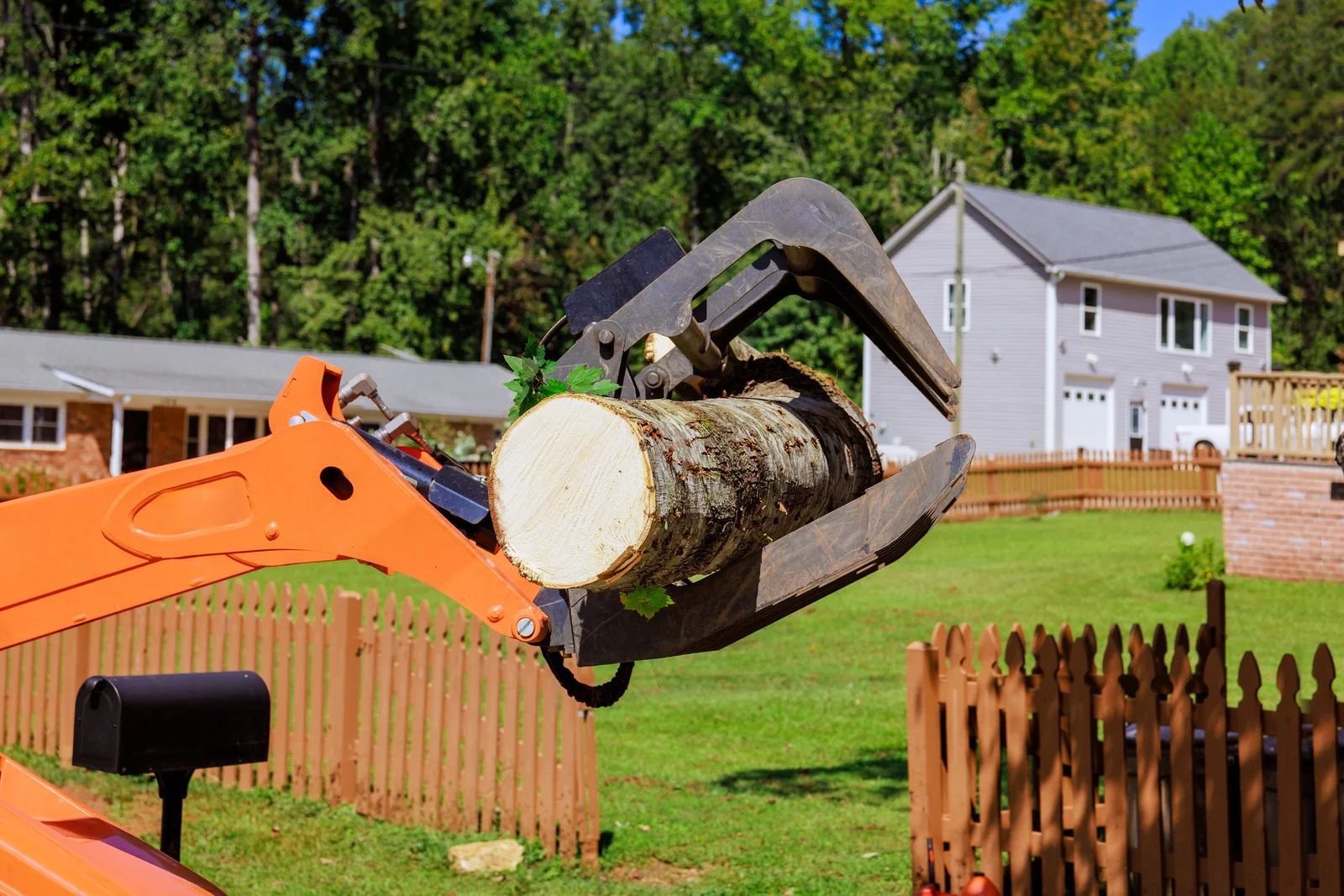
Tree removal is one of the most challenging and potentially hazardous tasks associated with property maintenance. Trees provide beauty, shade, environmental benefits, and increased property value, but there are situations where removal becomes necessary. Storm damage, disease, structural instability, overcrowding, root intrusion, and safety concerns can all create circumstances where a tree poses a risk to people or property. When homeowners face a problematic tree, one of the first questions that arises is whether the work can be handled independently or if professional tree removal services are required. While do-it-yourself projects can be appealing for cost-saving reasons, tree removal involves far more complexity than many people realize.
Understanding when to call professionals for tree removal versus attempting the work yourself is essential for protecting personal safety, property, and surrounding landscapes. Factors such as tree size, location, condition, equipment requirements, and local regulations all influence the level of risk involved. A small ornamental tree in an open area presents a very different challenge than a large, storm-damaged tree leaning toward a house or power line. Making the wrong decision can result in severe injuries, structural damage, or expensive repairs. By examining the risks, limitations, and best practices associated with both approaches, property owners can make informed decisions that prioritize safety while achieving successful tree management outcomes.
1. Understanding the Risks of DIY Tree Removal
Why Tree Removal Is More Complex Than It Appears
Many homeowners assume cutting down a tree simply involves using a chainsaw and directing the tree to fall in a chosen direction. In reality, tree removal requires an understanding of weight distribution, structural stress, branch balance, lean angles, wind conditions, and cutting techniques.
Trees rarely behave exactly as expected once cuts are made. Internal decay, hidden cracks, uneven canopies, or shifting weight can alter the direction of a falling tree. Even experienced operators carefully assess multiple factors before beginning removal.
Improper cutting methods can cause trunks to split unexpectedly, branches to break loose, or trees to fall unpredictably. These situations significantly increase the risk of injury and property damage.
Common DIY Hazards
Attempting tree removal without proper knowledge often creates several dangers:
- Falling branches striking people or structures
- Chainsaw-related injuries
- Unexpected tree movement during cutting
- Damage to roofs, fences, vehicles, and utility lines
- Tripping hazards from debris and uneven ground
- Limited escape routes during tree collapse
Emergency room visits related to chainsaw accidents and falling trees occur every year because individuals underestimate the risks involved. Understanding these hazards is the first step toward making responsible decisions.
2. Situations Where DIY Tree Removal May Be Reasonable
Small Trees in Open Areas
Not every tree removal project requires professional intervention. Certain situations may be suitable for property owners who possess basic tools, safety equipment, and adequate experience.
Small trees under approximately 10 to 15 feet tall located in open spaces often present manageable risks. These trees typically have lighter trunks, smaller root systems, and fewer complications during removal.
For example, a young ornamental tree growing away from structures, utility lines, and landscaping features may be safely removed using proper techniques and protective gear.
Conditions That Support Safe DIY Removal
DIY tree removal may be considered when:
The Tree Is Healthy and Stable
A healthy tree generally behaves more predictably during cutting operations than one affected by decay, disease, or storm damage.
There Are No Nearby Structures
Trees located far from homes, sheds, garages, driveways, and fences reduce the likelihood of property damage if the tree falls unexpectedly.
The Ground Is Clear
Open terrain provides room for controlled felling and safe escape routes.
Proper Equipment Is Available
Personal protective equipment should include:
- Safety helmet
- Eye protection
- Hearing protection
- Gloves
- Protective footwear
- Chainsaw chaps
Even under favorable conditions, homeowners must remain realistic about their skill level. Saving money should never outweigh safety considerations.
3. When Professional Tree Removal Becomes Necessary
Large Trees Present Significant Risks
As tree size increases, the complexity and danger associated with removal rise dramatically. Large trees contain tremendous weight that can create destructive forces during felling.
Trees exceeding 20 feet in height often require advanced planning, specialized equipment, and controlled dismantling methods. Removing these trees safely demands expertise that extends far beyond basic chainsaw operation.
Professional arborists evaluate factors such as:
- Tree lean
- Trunk condition
- Branch distribution
- Wind exposure
- Nearby obstacles
- Soil stability
These assessments help determine the safest removal strategy.
Trees Near Structures and Utilities
One of the clearest indicators that professional assistance is necessary involves tree proximity to valuable assets.
Homes and Buildings
A large branch falling onto a roof can cause thousands of dollars in damage. An incorrectly felled tree can compromise structural integrity, damage siding, or destroy outdoor living spaces.
Utility Lines
Trees near electrical infrastructure present severe hazards. Contact with power lines can result in electrocution, outages, fires, and property destruction.
Professional crews coordinate with utility providers when necessary and follow established safety procedures.
Public Areas
Trees near sidewalks, roads, neighboring properties, or public spaces require careful removal planning to prevent injuries and liability concerns.
In these situations, professional tree removal is not merely recommended—it is often the safest and most responsible option.
4. Signs a Tree Requires Expert Assessment Before Removal
Storm-Damaged Trees
Storms frequently create hidden structural damage that makes tree removal far more dangerous.
Broken limbs, split trunks, hanging branches, and partially uprooted trees often contain stored tension that can release unexpectedly during cutting. These unstable conditions increase the likelihood of sudden movement.
After severe weather events, trees may appear stable while concealing extensive internal damage.
Professional evaluations help identify risks that are not immediately visible from the ground.
Diseased or Decaying Trees
Tree diseases and internal decay weaken structural integrity.
Warning signs include:
Hollow Trunks
Internal cavities reduce strength and make fall behavior difficult to predict.
Fungal Growth
Mushrooms growing near roots or trunks may indicate significant decay.
Large Dead Branches
Deadwood often signals broader health concerns affecting tree stability.
Extensive Insect Damage
Certain pests compromise structural support and increase failure risks.
A tree that appears healthy externally may be severely compromised internally. Professionals use specialized techniques to evaluate these conditions before removal begins.
Leaning Trees
A sudden lean or increasing tilt often signals root failure or structural instability.
Trees leaning toward structures, driveways, neighboring properties, or roads should be evaluated immediately. The direction of lean significantly affects removal strategy and risk management.
5. Equipment and Expertise Professionals Bring to the Job
Specialized Tools Improve Safety
Professional tree removal involves equipment specifically designed to manage difficult conditions.
Common tools include:
- Commercial-grade chainsaws
- Rigging systems
- Climbing equipment
- Bucket trucks
- Cranes
- Wood chippers
- Stump grinders
These resources allow controlled removal methods that reduce risk and property impact.
Many homeowners underestimate the difficulty of safely operating such equipment.
Training and Technical Knowledge
Professional tree removal requires extensive training and practical experience.
Experts understand:
Cutting Techniques
Proper notch cuts, back cuts, and directional felling methods influence tree movement.
Load Management
Branch weight and trunk stress must be managed throughout removal.
Emergency Response Planning
Professionals establish safety zones, communication procedures, and contingency plans before work begins.
Property Protection Strategies
Protective measures help preserve landscaping, structures, fences, and outdoor features during removal.
This combination of equipment and expertise significantly reduces the likelihood of accidents.
6. Making the Right Decision for Your Property
Conduct a Thorough Risk Assessment
Before deciding between DIY removal and professional assistance, property owners should perform an honest evaluation.
Consider:
- Tree height
- Tree health
- Lean direction
- Proximity to structures
- Utility line location
- Personal experience level
- Available equipment
- Emergency planning
If any factor introduces uncertainty, professional consultation is a wise investment.
Prioritize Safety Above Convenience
Tree removal should never become a project driven solely by cost considerations. Safety must remain the primary priority.
A small, healthy tree in an open yard may be manageable for a knowledgeable homeowner. However, large, damaged, diseased, or strategically located trees require specialized expertise.
Professional services provide the planning, equipment, training, and risk management necessary to complete complex removals safely.
Making the right choice protects not only property but also the wellbeing of everyone involved.
Trusted Tree Removal Guidance From Experienced Professionals
Determining whether a tree can be removed independently or requires professional intervention comes down to understanding risk, complexity, and safety requirements. While certain small trees in open environments may be manageable for skilled homeowners, many removal situations involve hidden hazards that can lead to serious injuries or costly property damage. Tree size, structural condition, storm damage, proximity to buildings, utility lines, and surrounding landscapes all influence the level of expertise required. Taking the time to evaluate these factors helps property owners avoid unnecessary risks and make informed decisions.
When
professional assistance
is needed, experience becomes one of the most valuable assets. Snyder's Lawn Care
in Kalamazoo, Michigan has provided dependable outdoor property services for 25
years, building a reputation for quality workmanship, safety-focused practices, and knowledgeable tree care solutions. We understand the challenges that homeowners face when dealing with damaged, hazardous, or unwanted trees, and we approach every project with careful planning and attention to detail. Our experience allows us to assess risks accurately, recommend practical solutions, and perform tree removal work with a strong commitment to protecting people, structures, and landscapes. Whether addressing storm-damaged trees, overgrown specimens, or safety concerns, we provide the professional guidance and dependable service property owners can trust when making important tree management decisions.