
Brown Patches Spreading Across Your Kalamazoo Lawn? Disease or Drought?
July 4, 2026
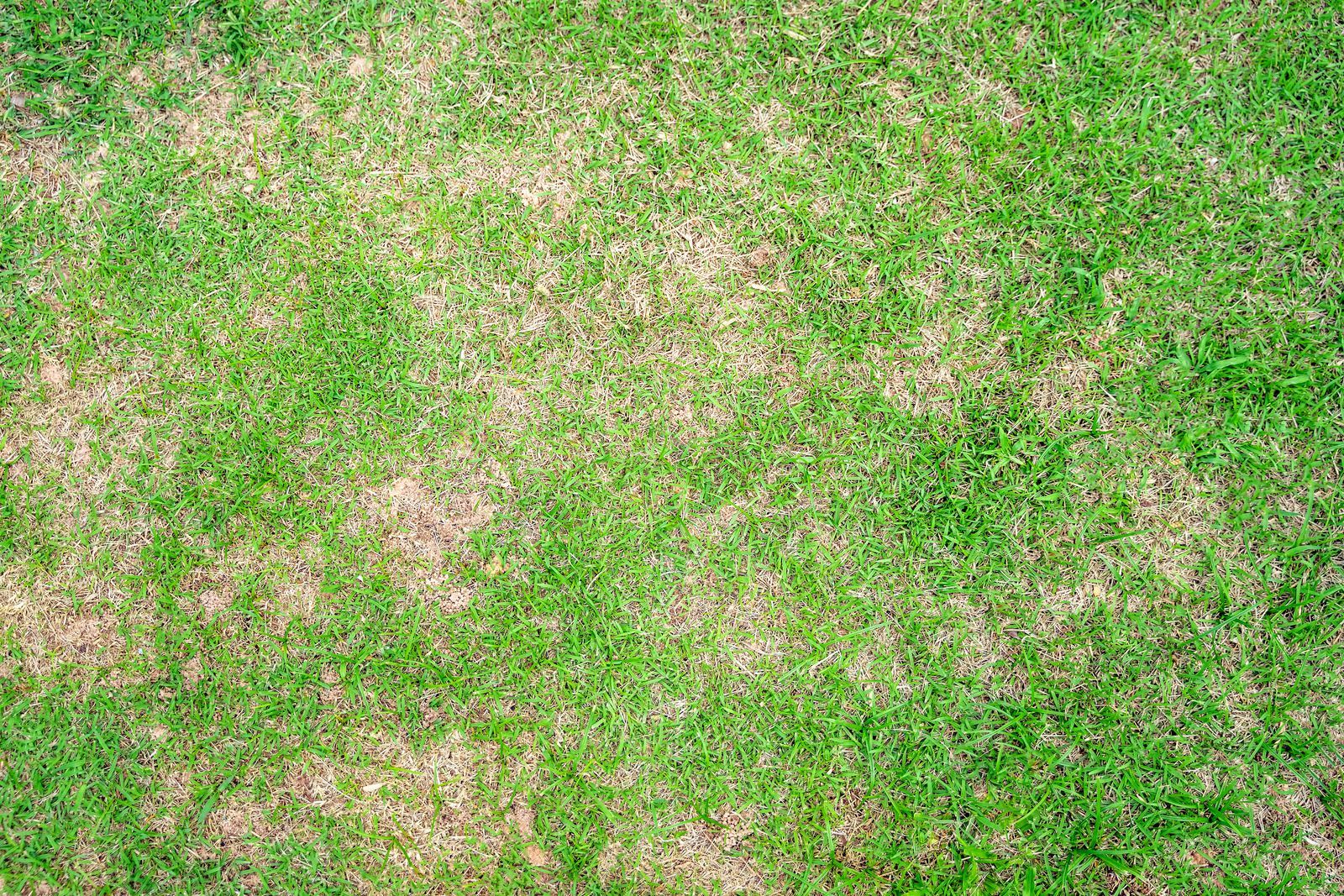
Quick Answer: Brown patches spreading across a lawn are caused by either drought stress or a fungal disease, and telling them apart matters because the fixes are opposite. Drought browns sun-exposed areas fairly evenly and greens up with water. Disease shows as spreading patches, often circular or ringed, with off-color blades and fine threads in the morning, and it can worsen with more watering. Watering a fungal problem feeds it, so identifying which you have is the key to actually fixing it rather than making it worse.
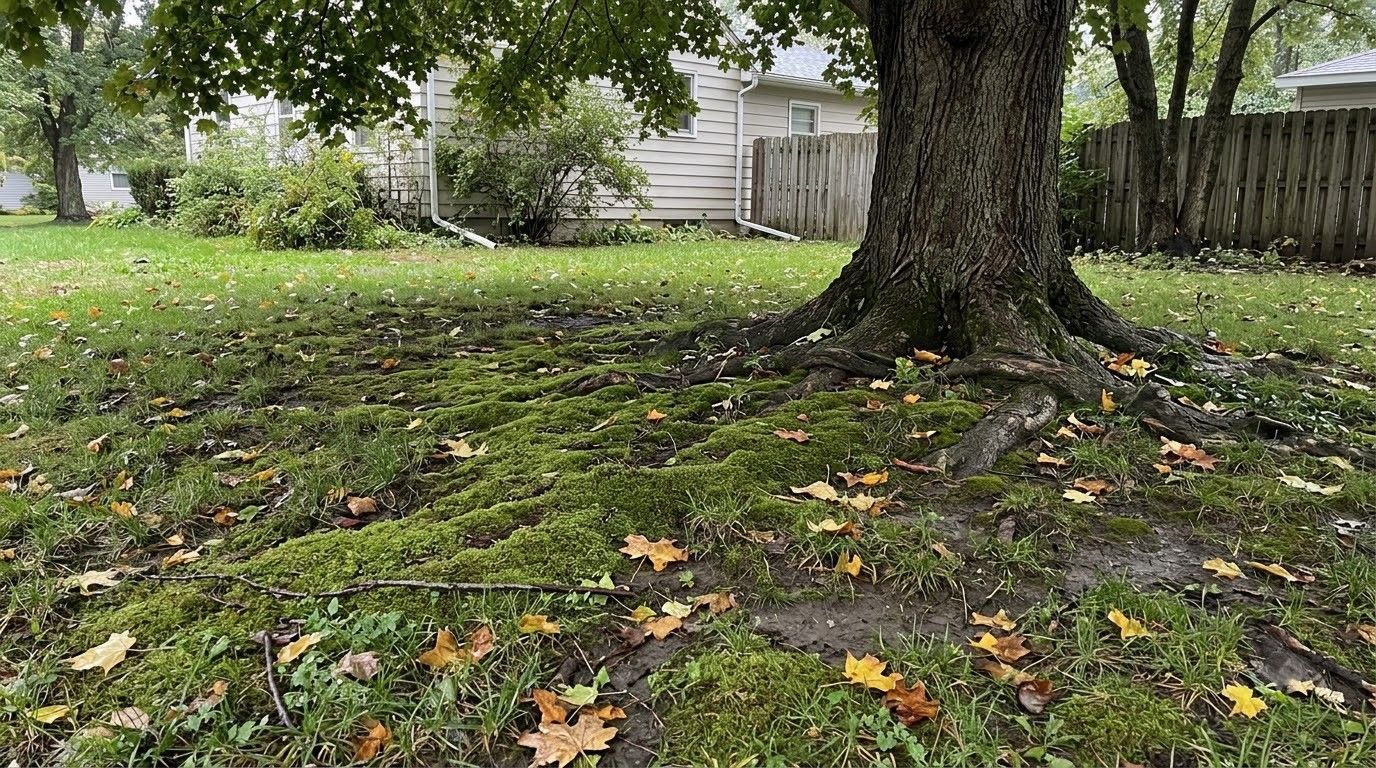
Your lawn was green, and now brown patches are showing up and spreading. The natural reaction is to water more, assuming the grass is thirsty. But that instinct is only right half the time, because spreading brown patches come from two very different causes, drought stress and fungal disease, and they call for nearly opposite responses.
That is what makes correctly reading your lawn so important. If it is drought, more water is the fix. If it is disease, more water feeds the problem and accelerates the spread. Pour water on a fungal lawn and you can make it worse while believing you are helping. Knowing how to tell disease from drought is the difference between fixing the brown patches and fueling them. In a Kalamazoo summer, with its heat and humidity, both are common, so it pays to know the signs. Here is how to tell them apart.
Why It Matters Which One It Is
Before the signs, it is worth being clear on why the distinction is not academic: the two causes need opposite treatment, and getting it wrong backfires.
Drought stress is the lawn running short of water, so the answer is to water properly and deeply. Fungal disease is a living organism that thrives in moisture and warmth, so the answer involves reducing excess moisture and improving conditions, and sometimes treating the disease, not adding water. That means the single most common reaction to a browning lawn, watering it more, is exactly right for drought and exactly wrong for disease.
This is why people sometimes water faithfully and watch the brown patches keep spreading: they are treating a fungal problem as a thirsty lawn and feeding the very thing they are trying to fix. Correctly identifying the cause is what lets you do what actually works instead of what makes it worse.
What Drought-Stressed Browning Looks Like
Drought has a recognizable pattern, and it is generally the more uniform, predictable of the two.
It follows the sun and heat
Drought browns the areas that dry out fastest, the sunniest spots, areas near pavement, slopes, and high spots, fairly evenly. It tracks where the lawn loses moisture quickest.
It browns uniformly, not in growing patches
Drought-stressed grass tends to fade and brown across an area rather than forming distinct, expanding circles or rings. The grass thins and dulls broadly.
It responds to water
The telltale test: when you water drought-stressed grass deeply, it greens back up and recovers (unless it has gone fully dormant or dead). Recovery with watering points to drought.
It comes with dry, hard soil
The ground is dry and firm, and footprints may linger in the grass (a classic drought sign) because the blades lack the moisture to spring back.
So drought reads as broad, sun-driven browning on dry soil that improves with water. If that describes your lawn, more and better watering is the right move.
What Fungal Disease Looks Like
Disease has its own signature, and it is usually distinguishable from drought once you know what to look for.
Spreading patches, often circular or ringed
Fungal disease typically shows as patches that grow outward over time, frequently roughly circular, sometimes with a ring of darker or different grass, sometimes merging into larger irregular areas. The spreading and the shapes are key, drought does not usually expand in neat growing patches.
Off-color blades and lesions
Diseased grass may turn tan, straw-colored, gray, or yellow, and individual blades can show spots or lesions. Looking closely at the blades, not just the overall color, reveals disease.
Fine threads in the morning
Some fungi produce a fine, web-like or cottony growth on the grass, most visible early in the morning when dew is present. Seeing that is a strong sign of active fungus.
It often worsens with watering
If the brown areas keep spreading or stay brown even as you water, that points away from drought and toward disease, which the extra moisture is feeding.
It thrives in heat and humidity
Warm, humid, wet conditions, exactly what a Kalamazoo summer brings, favor fungal disease, especially on stressed grass.
When you see spreading, ringed patches, off-color blades, and morning threads, especially during humid weather, disease is the likely cause, and the response is the opposite of watering more.
Tip:
Check the lawn early in the morning while the dew is still on it, that's when fungal threads are most visible and when you can see whether patches have the rings or defined edges that signal disease. Also do the water test mentally: have you been watering, and are the patches still spreading? Drought improves with water; disease often gets worse. Those two observations, morning inspection and how it responds to water, usually tell disease from drought.
What to Do Once You Know
Once you have identified the cause, the right response follows, and it is very different for each.
For drought: water deeply and less often, early in the day, to encourage deep roots and recovery, and address anything that dries the lawn out too fast. The lawn should green back up as moisture returns.
For disease: the opposite, reduce the conditions that feed it. Water deeply but infrequently and early in the day so the grass dries before night (never in the evening), improve airflow and drainage, ease off excess nitrogen fertilizer, mow at the right height with a sharp blade, and, when a disease is active and spreading, treat it with the right approach for that specific disease. The key is denying the fungus the prolonged moisture and stressed grass it depends on.
Because the treatments are opposite, and because lawn diseases come in different types and can resemble drought, insect damage, or each other, getting an accurate read is what makes the response effective. A professional eye can confirm whether it is disease or drought, and which disease, so the lawn gets what it actually needs rather than a guess that might make it worse.
Warning: Be cautious about reaching for fungicides or piling on fertilizer and water without knowing what you're treating. Watering more or over-fertilizing in summer heat can worsen a fungal disease, and applying the wrong product, or the right one incorrectly, wastes money and can stress the lawn without fixing the problem. If you're not sure whether it's disease or drought, get it identified before treating so you don't fuel the very thing you're trying to stop.
Frequently Asked Questions
How do I tell lawn disease from drought?
Drought browns sun-exposed areas fairly evenly, comes with dry, hard soil, and greens up when you water. Disease shows as spreading patches, often circular or ringed, with off-color blades and fine morning threads, and it often keeps spreading or worsens even with watering. The shapes, the blade detail, and how it responds to water are the giveaways.
Why does watering more sometimes make brown patches worse?
Because if the cause is fungal, water feeds it. Fungi thrive on moisture, so watering, especially in the evening, gives the disease exactly what it needs and accelerates the spread. That's why correctly identifying disease matters: the fix is less moisture and better conditions, not more water.
What does fungal disease look like up close?
Patches that spread outward, often roughly circular or with a ring, off-color blades (tan, gray, straw, or yellow) sometimes showing spots, and a fine, web-like or cottony film visible in the morning dew. Those signs, especially together and during humid weather, distinguish disease from the uniform browning of drought.
Why is summer in Kalamazoo prime time for lawn disease?
Warm, humid, wet conditions favor the fungi that cause lawn disease, and summer heat also stresses the grass, making it more vulnerable. Kalamazoo summers deliver that heat and humidity, so spreading brown patches in summer, especially after watering or rain, are often fungal rather than dry.
Can I just treat it with fungicide to be safe?
Not without identifying the problem. Fungicides need to match the specific disease and be applied correctly, and using one on a lawn that's actually drought-stressed wastes money and doesn't help. Getting an accurate diagnosis first ensures the treatment, and the watering and care changes, target what's really happening.
How do I keep brown patches from coming back?
For disease, deny it moisture and stress: water early and deeply but infrequently, improve drainage and airflow, fertilize and mow correctly. For drought, water deeply and consistently. In both cases, a healthy, properly cared-for lawn resists browning, and matching your care to the actual cause is what keeps the patches from returning.
Can a lawn have both disease and drought stress at once?
It can, and that's part of why diagnosis matters. Heat and dryness stress the grass, and stressed grass is more vulnerable to disease, so the two can overlap. Sorting out what's primarily driving the browning, and whether both are at play, is what lets the care, watering, and any treatment target the real situation rather than guesswork.
How does mowing affect brown patches?
More than people expect. Mowing too short stresses the grass and makes it more disease-prone, and a dull blade tears the grass, creating ragged wounds that invite fungus. Mowing at the right height with a sharp blade is part of keeping a lawn resilient against both drought stress and disease, which is why it's part of the fix, not just the upkeep.
Getting Your Green Lawn Back
Brown patches spreading across your Kalamazoo lawn are either drought or disease, and because the two need opposite treatment, telling them apart is the whole game. Drought browns evenly on dry soil and greens up with water; disease spreads in patches and rings, shows on the blades, and often worsens when you water. Read the signs, especially in the morning dew and in how the lawn responds to watering, and you can do what actually works, whether that is watering properly or drying the lawn out and treating the disease, instead of fueling the problem. Get the diagnosis right, and the green lawn underneath comes back.
Find out if it's disease or drought before it spreads further — Spreading brown patches are either drought or fungal disease, and the fixes are opposite, watering a fungal lawn only feeds it. With 25
years of experience, Snyder's Lawn Care
identifies what's affecting lawns across Kalamazoo, Michigan and provides
expert lawn care services, correcting the watering, airflow, and care that feed disease, or restoring a drought-stressed lawn. Reach out for a lawn assessment and get your even, green lawn back.