
The Hidden Costs of Neglecting Property Maintenance
February 6, 2026
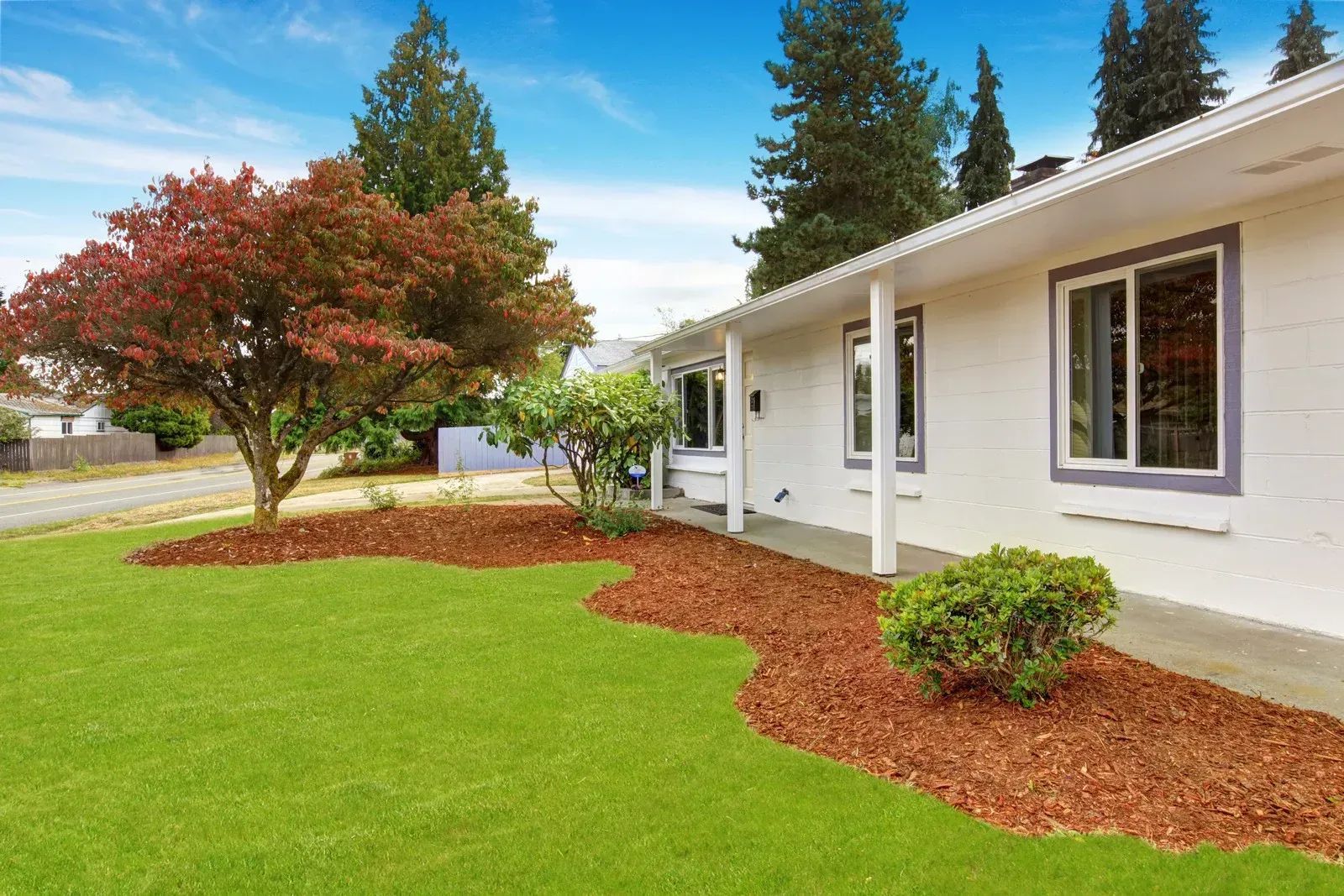
Proper property maintenance is often underestimated until a visible problem arises. Many homeowners and property managers focus primarily on aesthetics or immediate repairs, overlooking the broader implications of neglecting regular upkeep. Failing to maintain a property can lead to a cascade of hidden costs that extend beyond financial burdens, affecting structural integrity, safety, and long-term property value. These costs often accumulate silently, turning minor issues into major, expensive problems. Understanding these consequences is critical for anyone invested in the long-term health of their property. Regular maintenance not only safeguards physical structures but also enhances energy efficiency and prevents costly emergencies. Property owners who neglect these responsibilities often face compounded challenges that could have been avoided with proactive care.
In today’s competitive real estate and property management environment, proactive maintenance is more than a practical choice—it’s a strategic necessity. From water damage caused by clogged gutters to foundation issues resulting from poor grading, the repercussions of neglect can be extensive. Ignoring routine inspections, landscaping, and preventive care can undermine the value of a property and increase operational costs exponentially. Beyond financial implications, poorly maintained properties can pose safety hazards and reduce tenant satisfaction, making them harder to rent or sell. This blog explores the hidden costs of neglecting property maintenance, providing actionable insights, real-world examples, and best practices to help property owners make informed decisions that protect their investment over time.
1. Structural Deterioration and Repair Costs
Understanding Structural Vulnerabilities
One of the most significant hidden costs of neglecting property maintenance is structural deterioration. Every building, regardless of age or quality, is susceptible to wear and tear. Foundations can crack, roofs can leak, and walls can develop structural weaknesses if regular inspections and upkeep are ignored. Over time, minor issues can escalate into major repairs that require extensive labor and high-cost materials.
For instance, a small roof leak may initially seem inconsequential. However, water seeping into roofing materials can compromise trusses, insulation, and ceilings. Without prompt attention, this can lead to mold growth, wood rot, and compromised structural integrity—resulting in repair bills that are often ten times higher than the cost of preventive maintenance.
Best Practices for Preventing Structural Damage
Proactive inspection schedules are essential to preventing structural deterioration. Property owners should:
- Conduct annual roof inspections and repair minor leaks immediately.
- Monitor foundation cracks and consult structural engineers if signs of settling appear.
- Maintain proper drainage to avoid water pooling near the foundation.
By addressing these vulnerabilities early, property owners can save significantly on costly structural repairs while preserving the safety and functionality of the building.
2. Landscaping and Exterior Neglect
The Impact on Curb Appeal and Property Value
Neglecting exterior maintenance can erode both the appearance and market value of a property. Overgrown lawns, untrimmed trees, and unmanaged gardens may seem like minor aesthetic issues, but they have deeper implications. For example, roots from neglected trees can damage sidewalks, driveways, and underground utilities. Weeds and unmanaged vegetation can lead to soil erosion, negatively affecting property stability.
Beyond aesthetics, poorly maintained exteriors send a signal to potential buyers or tenants about overall property care. Studies show that first impressions significantly influence property valuation. A property with well-maintained landscaping can increase curb appeal and enhance perceived value, whereas neglect can reduce property desirability, leading to longer vacancy periods or lower resale prices.
Actionable Maintenance Tips
To avoid these pitfalls, property owners should implement a routine exterior maintenance plan:
- Schedule seasonal landscaping to manage growth and prevent damage.
- Inspect and prune trees regularly to avoid structural and safety hazards.
- Ensure proper irrigation to maintain healthy soil and prevent erosion.
These proactive steps not only preserve the property’s aesthetic appeal but also reduce long-term costs associated with structural or landscaping repairs.
3. Plumbing and Water Damage
Hidden Costs of Deferred Plumbing Maintenance
Water damage is one of the most insidious costs associated with neglecting property maintenance. Leaky pipes, clogged drains, or outdated plumbing systems may appear minor initially but can escalate quickly. Persistent leaks can lead to mold growth, mildew, and water-stained walls, creating both health hazards and expensive remediation needs.
Consider a scenario in which a small pipe leak goes unnoticed behind a wall. Over months, the water can saturate drywall, flooring, and insulation. When discovered, the cost to replace damaged materials, repair structural components, and address mold remediation far exceeds the initial expense of replacing the pipe promptly. Additionally, untreated water damage can compromise electrical systems, further amplifying repair costs.
Preventive Measures for Plumbing Maintenance
Property owners can mitigate these hidden costs through regular inspections and timely interventions:
- Schedule annual plumbing inspections to detect leaks early.
- Replace aging pipes and fixtures before they fail.
- Install water detection systems to alert owners of leaks in critical areas.
These preventive strategies ensure plumbing systems remain efficient, reduce risk of property damage, and safeguard occupants’ health.
4. HVAC System Neglect
The Financial Burden of Ignored HVAC Maintenance
Heating, ventilation, and air conditioning (HVAC) systems are critical for comfort and energy efficiency. Neglecting regular maintenance can drastically increase energy costs, reduce system lifespan, and necessitate costly replacements. Dirty filters, clogged vents, and failing components force the system to work harder, consuming more energy and increasing utility bills.
In addition, neglected HVAC systems can affect indoor air quality. Dust, allergens, and microbial growth can accumulate in poorly maintained systems, creating health concerns for residents or tenants. In commercial properties, this can lead to liability issues and negatively impact employee productivity.
Best Practices for HVAC Longevity
To minimize hidden costs, property owners should adopt a structured HVAC maintenance routine:
- Replace filters every 1–3 months depending on usage and environment.
- Schedule professional system inspections at least twice a year.
- Clean ducts and vents periodically to ensure efficient airflow and air quality.
Implementing these practices not only extends the life of HVAC systems but also ensures energy efficiency and occupant safety.
5. Pest Infestations and Property Damage
The Unseen Financial Impacts
Pests are a common consequence of neglected property maintenance. Rodents, termites, and insects often exploit small cracks, moisture problems, or unmaintained landscaping to infiltrate buildings. Once established, pests can cause significant structural damage and necessitate expensive extermination services.
Termites, for example, can silently compromise wooden structures over years. A small infestation can result in thousands of dollars in repair costs if left unchecked. Additionally, pest infestations can reduce property marketability, affect tenant retention, and even lead to legal issues in rental properties if proper maintenance standards are not upheld.
Proactive Pest Prevention Strategies
Effective pest control requires both routine inspections and environmental management:
- Seal cracks and gaps in walls, windows, and foundations.
- Maintain proper landscaping to reduce nesting areas near the property.
- Schedule regular pest control inspections and treatments.
Investing in prevention is far more cost-effective than addressing large-scale infestations, and it maintains both property integrity and resident health.
6. Energy Efficiency Losses
How Neglect Increases Operating Costs
Neglecting property maintenance can also lead to hidden energy costs. Poor insulation, drafty windows, and outdated lighting or appliances force buildings to consume more energy for heating, cooling, and daily operations. These inefficiencies translate directly into higher utility bills and accelerated wear on mechanical systems.
For example, failing to replace weatherstripping on doors or windows can result in significant heat loss during winter and increased cooling requirements in summer. Similarly, outdated lighting or inefficient appliances increase electricity consumption unnecessarily. Over time, these cumulative expenses can surpass the cost of preventative upgrades and maintenance interventions.
Recommendations for Energy Efficiency
Property owners should regularly evaluate energy usage and system performance:
- Upgrade insulation, windows, and doors to reduce thermal loss.
- Conduct energy audits to identify inefficient systems or appliances.
- Invest in smart thermostats and automated systems for optimized energy use.
Prioritizing energy efficiency not only reduces hidden operational costs but also enhances property value and sustainability credentials.
Dedicated Professionals Preserving Property Value Through Maintenance Excellence
Neglecting property maintenance carries far-reaching consequences that extend beyond visible damage. Structural deterioration, exterior neglect, plumbing and water issues, HVAC inefficiencies, pest infestations, and energy losses all contribute to hidden costs that can quickly escalate. These challenges emphasize the critical importance of proactive property management, routine inspections, and preventive measures. Implementing a structured maintenance plan ensures long-term property value, safety, and operational efficiency. Moreover, proactive maintenance reduces unexpected emergencies, minimizes disruption to daily life, and strengthens the overall longevity of the property. Property owners who adopt a preventative mindset can enjoy greater financial predictability and sustained comfort in their living or working spaces.
For over 25
years, Snyder's Lawn Care
in Kalamazoo, Michigan, has partnered with homeowners and property managers to protect and enhance their investments through comprehensive
property maintenance solutions. From landscaping and lawn care to seasonal inspections and preventive maintenance planning, Snyder's Lawn Care
combines decades of hands-on experience with expert knowledge of local conditions. Every service is designed to mitigate hidden costs, safeguard property value, and create visually appealing, functional outdoor spaces. By prioritizing regular maintenance, property owners can avoid costly repairs, enhance curb appeal, and enjoy peace of mind knowing their property is in capable hands. With a reputation built on trust, reliability, and exceptional service, Snyder's Lawn Care
continues to set the standard for property maintenance excellence throughout the Kalamazoo community.